

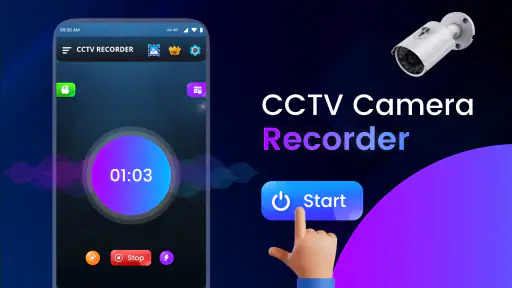
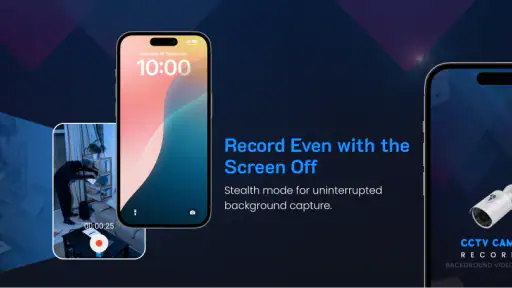
I approached CCTV Camera Video Recorder App as a practical sports-category utility rather than a replacement for a dedicated security camera. Its purpose is straightforward: use an Android device as a camera that can keep recording while the phone screen is locked. That idea is useful in several everyday situations, especially when I want the phone to observe a training session, a piece of equipment, or a fixed area without leaving a bright display running.
The app is free to install, and Cyber Magic has positioned it for a broad audience with an Everyone content rating. Its store listing shows an average rating of 4.0 from around thirteen thousand ratings, along with over five million installs, so it is clearly familiar to many Android users. I found the appeal easy to understand, but the experience depends heavily on how carefully the phone is placed, powered, and tested before relying on it.
What to expect before you start recording
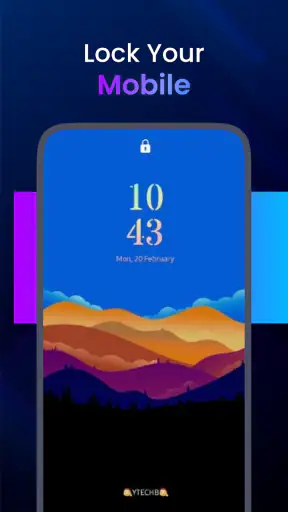
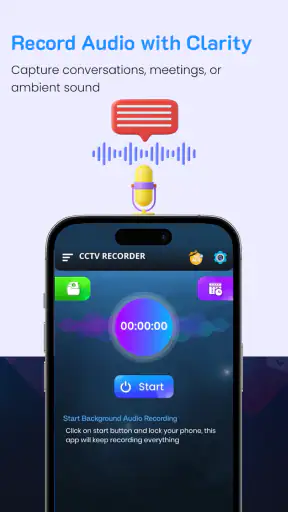
The central attraction is background video recording with the phone screen locked. In practical terms, that means the device can act more like a discreet fixed camera than a normal camera app that requires the preview to remain visible. This is particularly handy when recording a workout from a corner of a room, monitoring a sports drill, or capturing a long practice session without constantly touching the handset.
It is important to set realistic expectations. This is still a phone-based recording tool, not a complete multi-camera surveillance system. Results will be shaped by the phone’s camera, storage, battery condition, available light, and placement. A newer device may produce a cleaner image than an older one, while a phone with limited free space may become inconvenient during longer sessions.
I also would not treat the app as a substitute for a professionally installed security solution. The locked-screen behavior is useful, but it does not magically give a phone the reliability of dedicated CCTV hardware. If the device overheats, loses power, is moved, or runs into a system-level background restriction, the recording plan can fail. For casual observation and personal recording, that trade-off is reasonable. For evidence that must be captured continuously, I would choose equipment designed for that responsibility.
The current version is 11.7, and it supports Android 10 or newer. That makes the Android version on the phone the first practical check before installing. The app includes in-app purchases priced at $14.99 per item, so I would look carefully at any purchase screen and decide whether the free experience already covers my intended use before committing to an upgrade.
Where the app makes sense in daily life
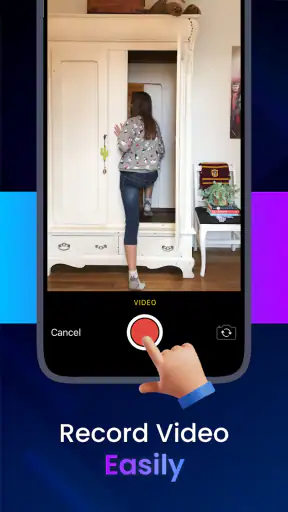
My favorite use case is recording a training movement that is difficult to judge while performing it. I can place the phone at a safe angle, start the recording, lock the screen, and complete the exercise without worrying about a glowing display distracting me. Later, I can review the footage to check posture, foot placement, timing, or the position of sports equipment.
A parent or coach could use the same approach for a short practice session, provided everyone being recorded understands what is happening. A hobbyist might position a spare phone near a workbench to observe a setup while moving around the room. Someone preparing a presentation or demonstration could also use the app to record from a fixed viewpoint without leaving the camera preview open.
For these situations, the most valuable benefit is not simply recording video. It is reducing the number of things I need to manage while recording. Once the phone is positioned and the session has begun, the locked-screen workflow lets me leave the device alone and concentrate on the activity.
Getting through the first setup without guesswork
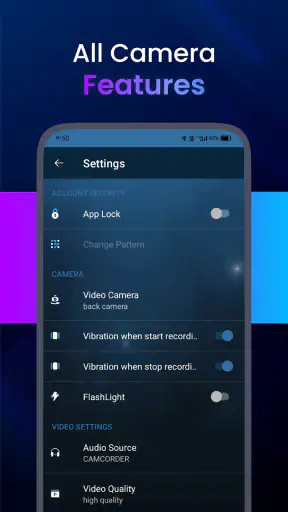
After installing the app, I would begin with a short test rather than immediately attempting a long recording. Open the camera interface, choose the intended camera if that choice is available, and place the phone exactly where it will be used. The goal is to confirm framing, focus, lighting, and the area visible at the edges of the image before the screen disappears.
I recommend testing the phone in its final position, not in your hand. A view that looks fine while standing beside the device may become useless once the phone is placed low on a shelf or behind sports equipment. Check whether the subject is actually centered, whether movement leaves the frame, and whether bright windows or overhead lights create distracting glare.
Next, start a very short recording and use the lock-screen behavior. Wait long enough for the phone to remain in that state, then unlock it and inspect the result. This simple check answers the most important first-time question: did the app continue recording after the display was locked? It also reveals whether the phone’s own battery-saving behavior interferes with the workflow.
Because the app records video, storage planning matters even though the exact space used will vary with the device and recording settings. I would clear unnecessary files before a long session and avoid starting with a nearly full phone. A short test also gives me a chance to see how the saved file fits into my normal gallery or file-management routine.
Power is just as important as storage. For a brief activity, a charged phone may be enough. For a longer session, I would place the device near a safe power source and make sure the cable does not cross a walking path or pull the phone out of position. A recording that stops because the battery dies is more frustrating than one that never started.
The first meaningful success: record, lock, and review
The first successful action should be deliberately small. I would record one complete movement or a few minutes of a practice routine, lock the screen, finish the activity, and then review the saved video. This is more useful than merely checking whether the camera opens, because it tests the entire chain from setup to playback.
When reviewing the clip, I look for three things. First, is the subject visible throughout the action? Second, does the footage remain usable after the screen was locked? Third, did the phone stay physically stable? A slightly tilted phone or a loose surface can ruin an otherwise successful recording, and that is a placement problem rather than an app problem.
This test also helps me decide whether the phone should be positioned horizontally or vertically for the intended subject. A full-body sports movement usually needs more room than a close demonstration, while a narrow workspace may benefit from a tighter composition. Taking a minute to make that decision avoids collecting footage that is technically recorded but difficult to use.
For a first-time user, I would keep the phone within sight during the initial test. The locked display can make the device feel inactive, so it is reassuring to confirm the result immediately. Once that workflow is familiar, the app becomes much less intimidating: frame the shot, begin recording, lock the screen, complete the activity, and inspect the saved clip.
Confusing points that can affect the result
The phrase “background recording” can sound more powerful than it is. It does not mean the phone can ignore every Android limitation. The operating system, the device manufacturer, and battery-management settings may affect what happens when an app runs without the screen visible. If a long recording stops unexpectedly, I would first test the same workflow again with the phone fully charged and with fewer other apps active.
Another common source of confusion is assuming that locking the display protects the recording from every interruption. Incoming calls, notifications, accidental movement, camera switching, or a system event may still change the situation. For an important session, I would reduce avoidable interruptions and keep the phone in a stable, quiet location rather than treating the locked screen as a guarantee of uninterrupted operation.
Sound is another detail worth checking in the finished clip. A camera app may produce useful visual footage while the surrounding audio is less helpful because of distance, room noise, or the phone’s position. If spoken instructions matter, I would conduct a test from the same distance and in the same room before relying on the recording.
Privacy deserves equal attention. A phone placed in a room can capture people who did not expect to be recorded. I would tell anyone nearby what the device is doing, avoid pointing it toward private spaces, and review the saved files afterward. The fact that the screen is locked makes the setup less visually obvious, which is convenient for reducing distraction but also makes responsible communication more important.
I would also avoid confusing this app with a remote live-monitoring service. Its most obvious strength is recording on the device. If my priority were instant remote viewing, multiple camera feeds, professional alerts, or dependable continuous monitoring, I would compare dedicated CCTV equipment or a service built specifically around those functions.
How it compares with ordinary camera apps
A standard camera app is often better when I need immediate preview controls, familiar photo and video tools, or quick access to manual adjustments. It is usually the natural choice for a short handheld clip. The Cyber Magic app becomes more interesting when I want the phone to remain fixed and the display to stop being part of the activity.
That difference matters in a sports setting. With an ordinary camera app, I may worry about the bright screen, accidental touches, or the temptation to keep checking the preview. A background recorder is more convenient for a set-and-leave workflow. The compromise is that I need to be more disciplined during setup because I cannot rely on the visible preview once the screen is locked.
Compared with dedicated CCTV hardware, the phone-based approach is cheaper to try and easier to repurpose. I can use an existing Android device instead of buying another camera, and the free price lowers the barrier to experimentation. Dedicated equipment is normally the better choice for permanent placement, night operation, weather exposure, storage planning, or a system where failure would have serious consequences.
There is also a middle ground: a normal camera app on an unused phone. That option may be preferable if I want a familiar interface and do not need the screen-lock workflow. I would choose this app specifically when the ability to keep recording with the display locked is more valuable than the broader controls of a conventional camera application.
Practical tips for longer and cleaner recordings
My first tip is to treat framing as a separate task from recording. Mark the phone’s position with a small piece of removable tape or place it against a stable object so that repeated sessions begin from the same angle. This is especially useful for comparing sports technique over time, because a changing camera position can make progress difficult to judge.
My second tip is to use a short “empty frame” test before the real activity. Start the app, lock the display, and leave the phone recording briefly while nobody is in front of it. Then inspect the clip for unwanted obstructions, poor exposure, or a camera angle that cuts off the important area. This catches problems that are easy to miss during a busy training session.
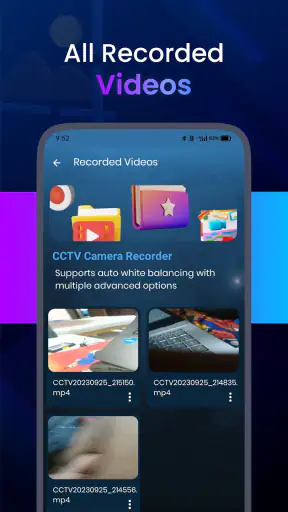
A third useful habit is to separate recording from file management. After a session, review the clip while the details are still fresh, rename or organize it in a way that makes sense to you, and remove failed tests. Keeping every attempt can quickly make later review confusing, particularly when several recordings show similar movements from the same room.
I would also avoid placing the phone directly on a surface that vibrates. A nearby treadmill, speaker, fan, or moving table can introduce shake even when the phone appears stable at first. A simple stand or a carefully supported position is often more valuable than changing the app itself.
For a long session, I would check the phone after the first meaningful interval rather than waiting until the end. Confirming that the device is still in place and that the recording has not stopped is a sensible compromise between supervision and convenience. The app reduces screen-related distraction, but it does not remove the need for sensible oversight.
Who should use it, and who should choose something else
I think this app suits Android users who want a low-cost way to record a fixed viewpoint, especially for sports practice, demonstrations, personal projects, or short observation tasks. It is also a good fit for someone who already has a spare phone and wants to test a CCTV-style workflow without buying additional hardware first.
I would be more cautious recommending it to someone who expects a complete security system. If the requirement includes dependable all-day operation, remote access, several cameras, specialized alerts, weather resistance, or formal evidence handling, a dedicated solution is the safer direction. The app can be useful in a home experiment, but it should not be mistaken for infrastructure designed around those demands.
It may also be the wrong choice for a user who needs advanced camera controls more than background operation. In that case, the phone’s regular camera app may offer a more comfortable experience. Likewise, if the device is old, low on storage, prone to overheating, or running an Android version below 10, I would not build an important recording plan around it.
The free entry point makes trying the workflow easy, while the available in-app purchases mean I would pay attention during setup and avoid assuming that every option is included at no cost. I prefer to confirm that the basic recording-and-review routine works for my phone before considering any paid item.
My next-step recommendation
My advice is to start with one short, controlled recording rather than a complicated surveillance project. Choose a familiar room, place the phone where it cannot be knocked over, check the view, begin recording, lock the screen, and complete one activity. Then watch the result from beginning to end. That single test tells you more about whether the app fits your device than a long list of theoretical features.
If the result is good, build a repeatable routine around it: use the same position, keep enough storage available, plan power for the session, and review important recordings soon afterward. For sports practice, I would save only the clips that teach me something and delete the rest. This keeps the phone easier to manage and turns the app into a practical feedback tool rather than an endless video collector.
Overall, I see CCTV Camera Video Recorder App as a focused solution for screen-off recording on Android. Its strongest moment is a fixed-camera task where I want the phone to observe quietly while I concentrate elsewhere. It is not a universal CCTV replacement, and it rewards careful testing more than blind trust. For a free sports utility from Cyber Magic, though, it offers a sensible way to discover whether an existing phone can handle a simple background-recording job.


